
Our mission is to strengthen the bond between dogs and their people through compassionate, science-based training.
We exist to help dogs feel safe, understood, and confident—while empowering owners with the knowledge, tools, and trust needed to build lifelong relationships rooted in clarity, kindness, and respect.
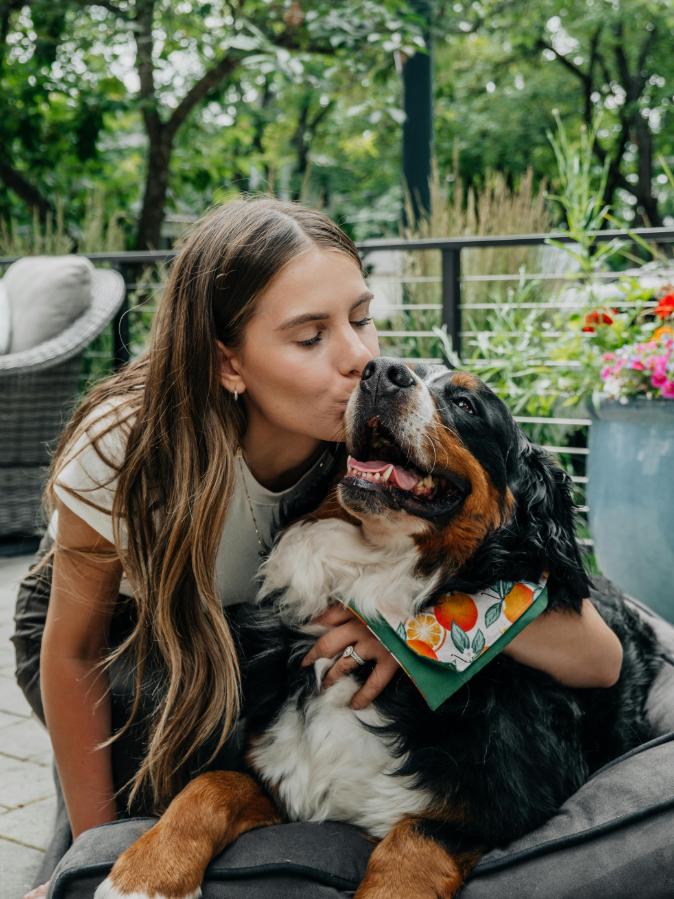
Dogs aren’t trying to be difficult—they’re communicating. Our training philosophy is rooted in understanding that behavior is shaped by emotion, environment, and learning history. By working with dogs instead of against them, we create lasting change built on trust rather than fear.

Trust is the foundation of every great dog.
Dogs deserve understanding, not force.
Training should feel safe, fair, and joyful.
.jpg)
Our trainers are more than professionals—they’re advocates for dogs. Each member of our team is certified, continuously educated, and united by a shared commitment to compassionate, positive-only training.
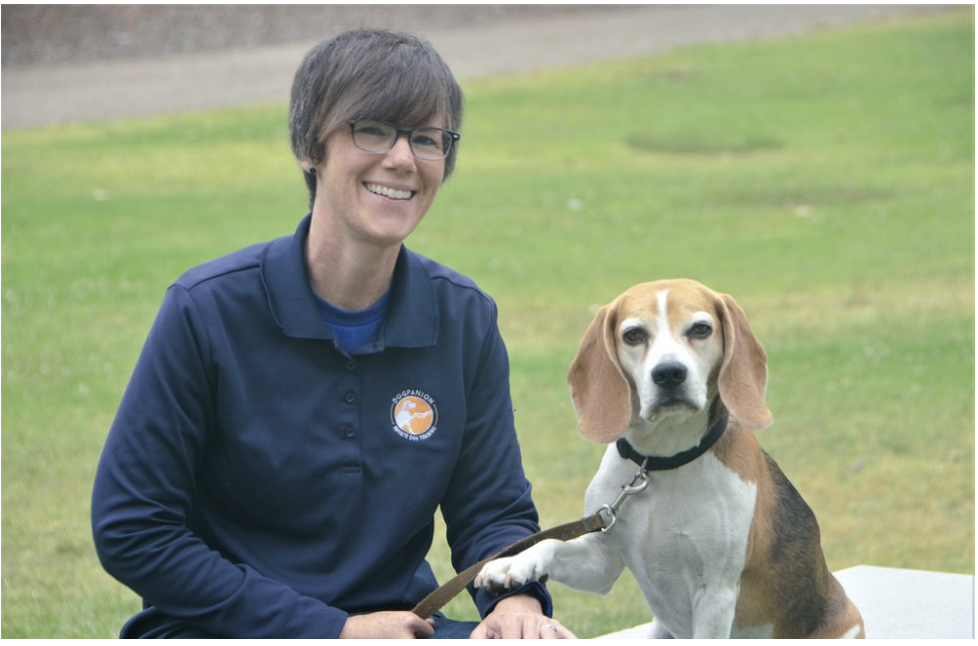
"Every dog has the potential to accomplish amazing things!"

"Training should be fun, compassionate, and rewarding while providing clear guidance and structure that builds confidence, communication, and trust between dogs and their people."

“I look at each dog I meet as an individual. After studying dog body language for years, I meet the dog where they are and listen to them.”
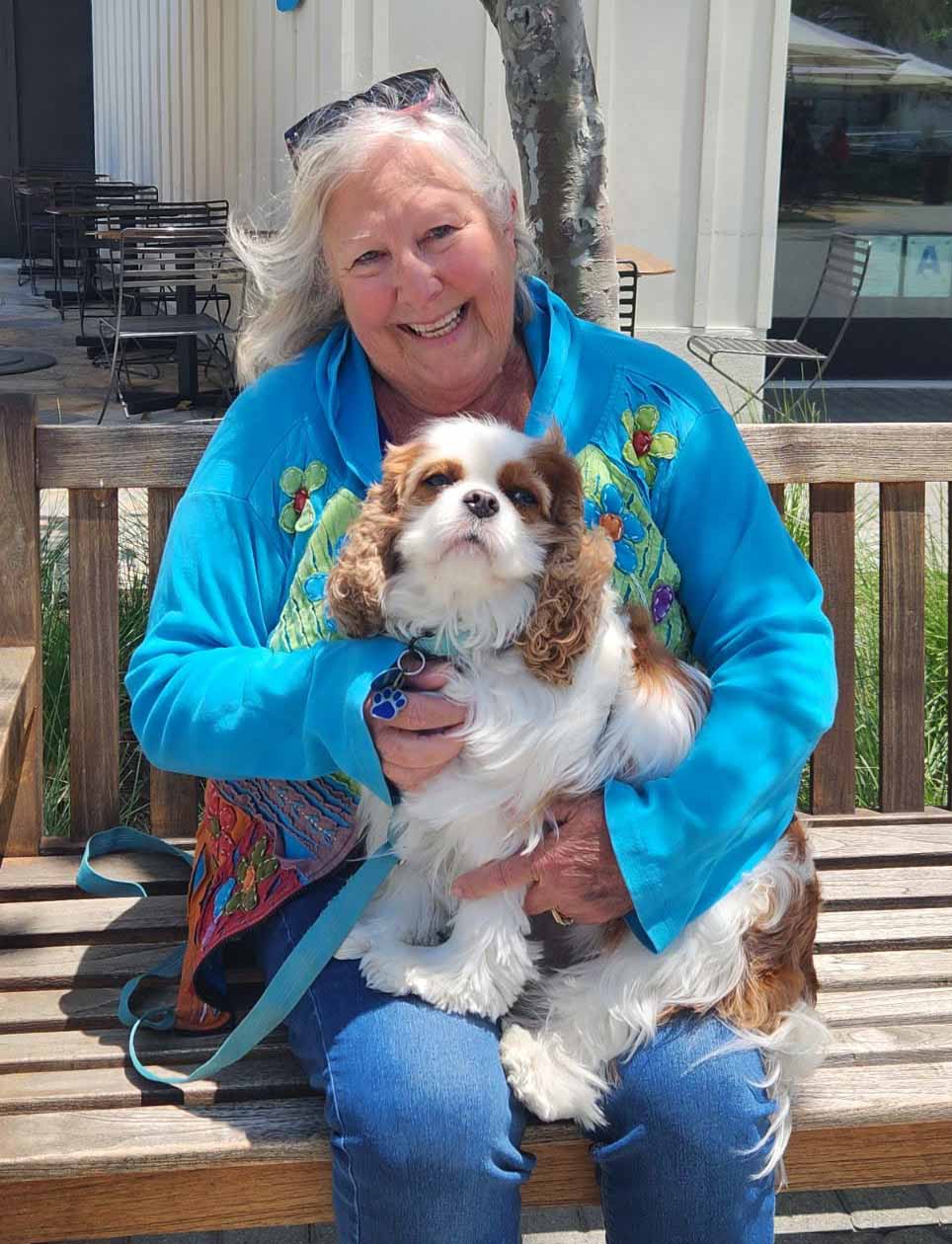
"When dogs feel safe, understood, and loved, amazing things happen!"




Positive training isn’t about being permissive or lowering standards—it’s about raising the quality of communication. By focusing on how dogs learn, feel, and process the world, we create training that is not only effective, but ethical, sustainable, and deeply respectful of the dog in front of us.

Every behavior tells a story. We listen first, then train—addressing the “why” behind actions, not just the symptom.

Learning can’t happen under fear or stress. We prioritize calm, safety, and trust as the foundation for progress.
Dogs repeat behaviors that work. By reinforcing the right choices, we create consistency without conflict.

Clear expectations and consistent cues help dogs succeed—without intimidation or coercion.

No two dogs are the same. Training is tailored to each dog’s personality, history, and needs.

We focus on sustainable behavior change that supports lifelong companionship—not quick fixes that break trust.
Dogs trained with rewards show:

Punishment-based training has been directly linked to:
Dogs trained with positive methods:
Cortisol (a primary stress hormone) levels are:
High stress interferes with a dog’s ability to process information and form memories.
Positive, force-free training is endorsed by:


You don’t need force, fear, or quick fixes. You need clarity, compassion, and a plan that works for your dog.
.jpg)